

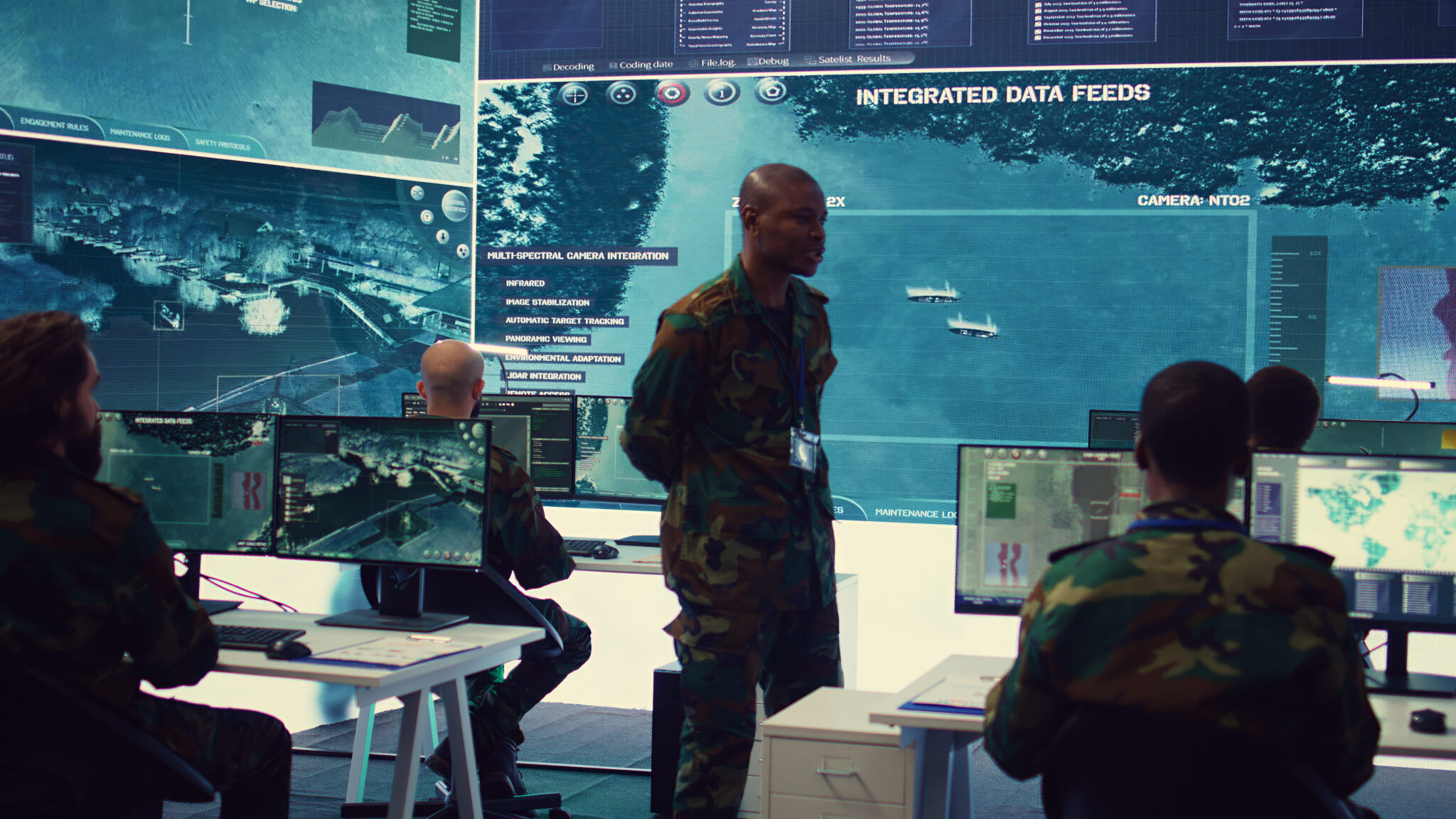
Cyber warfare has transformed the way countries compete and how the world uses digital technology.
How systems work. The first phase of cyber conflict was mostly about spying and stealing data. Now, cyber clashes are more and more aimed at the digital infrastructure that supports the
the world economy.
Today, interconnected systems like these are very important for corporations, governments, and people.
as cloud platforms, global data centers, communication networks, and businesses, software. When geopolitical tensions rise, these digital systems might become indirect targets, causing problems in many industries and countries.
The World Needs Digital Infrastructure
The world has quickly shifted toward cloud-based and networked systems in the last ten years. Companies now keep their data on servers that are far away and operate apps through the cloud and manage operations through global networks that connect offices across platforms across continents.
This digital transition has made things more efficient and scalable, but it has also brought about new weaknesses. When cyber battles happen between countries, attackers could try to mess with the systems that help these digital operations work. Infrastructure is connected all around the world, thus an
An attack on one area can have an impact on businesses and people in many other regions of the world. Cloud services, internet exchange points, and worldwide communication networks have become necessary parts of today’s digital infrastructure. Any problems with these systems potentially affect thousands of groups at once.
What cyber wars do to cloud and IT systems
- Attackers target shared digital infrastructure (cloud, enterprise platforms) instead of individual companies
- Disrupting one major platform can impact thousands of dependent businesses at once
- Common methods include DDoS attacks, ransomware campaigns, and supply chain breaches
- Even brief outages can halt operations, transactions, and internal systems globally
- This approach amplifies damage, causing widespread economic and service disruptions
Supply Chain Vulnerabilities in the Digital Ecosystem:
Sometimes, attackers go for these suppliers instead of going after businesses directly. By compromising a service provider or software update that many people use, enemies can get into several systems at once. This kind of assault can spread via networks without being noticed. Because digitalsupply chains are so intertwined, one corrupted source can hurt several businesses government agencies and infrastructure operators all at once.
Because of this, businesses need to look at their own security posture as well as the security measures of their technological partners.
Disruptions to Global IT Infrastructure in the Real World
Several recent cyber events have shown how political conflicts between countries can affect IT operations around the world. In other circumstances, concerted cyber operations have gone after communication government systems, financial platforms, or networks. These attacks can make services unavailable for a short time, make data less available, or slow down
important systems that businesses and government agencies employ. Even after systems are fixed, quickly, the uncertainty that these kinds of events cause can have an effect on the markets, operations, and public trust. Because the internet and cloud infrastructure work across borders, these disruptions hardly remain confined to a singular nation. Instead, they often have an effect on many organizations at once in different parts of the world.

The Effect on Companies and Online Services
- Infrastructure failures can immediately disrupt business operations and internal systems.
- Customers may face delays or complete failure of online services and transactions.
- Critical sectors like finance, healthcare, and logistics are highly affected due to reliance on real-time data
- Even minor disruptions can impact supply chains, customer support, and financial activities
- Businesses must build resilient systems to continue operating during infrastructure failures
What Organizations Need to Do to Get Ready
As cyber wars have more of an impact on the world’s digital infrastructure, businesses need to improve their cybersecurity plans and ability to keep going. This includes setting up strong network monitoring, keeping security systems up to date, and making procedures for how to respond to cyber disasters so that teams can act swiftly. Companies should also use several clouds, backup methods, and safeguard data.
procedures for making backups to lower the chance of service outages.
It’s also important for employees to be aware. A lot of cyber events start with small mistakes made by people such phishing assaults or systems that aren’t set up right. Teaching employees about the dangers of cybercrime
can greatly lower the probability of assaults that work.
The Future of Cyber Conflicts in Geopolitics
- Cyber warfare will grow more complex and closely linked to geopolitical tensions
- Technologies like artificial intelligence, automation, and cloud systems will shape future attacks
- Cyber campaigns may target economies, public opinion, and critical sectors.
- Governments and organizations are increasing investment in cybersecurity defenses plans.
- Global cooperation, threat intelligence sharing, and stronger frameworks are key to reducing risks
A world that is connected and faces digital risks
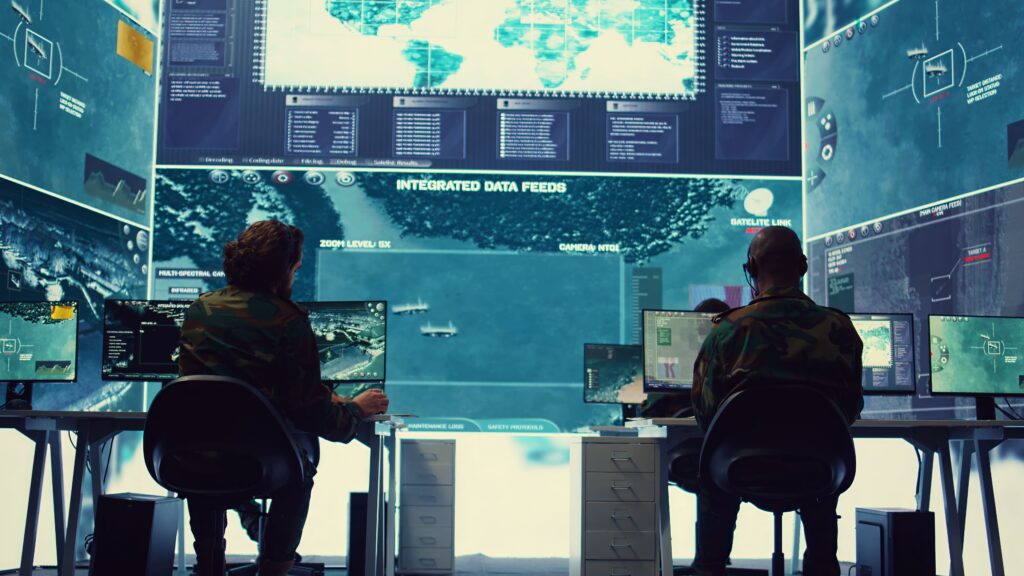
The internet world is very connected now. Global data centers, cloud platforms, and International networks serve almost every part of modern life, from money transfers to systems for health care and communication.
Because of this interdependence, cyber battles between countries can have big
effects that go beyond the borders of a country. A cyber operation that starts out as an attack on a specific system may eventually have an effect on people, businesses, and governments all over the world.
The first step to making the digital world safer is to understand these threats. As
As technology keeps becoming better, keeping the world’s IT infrastructure safe will always be one of the most major problems of the digital age.
Ideas that inform and inspire.
Book a free 30-minute strategy consultation with our experts.
