

Cyber Warfare in Modern Conflicts: Understanding the Digital Battle Between Nations
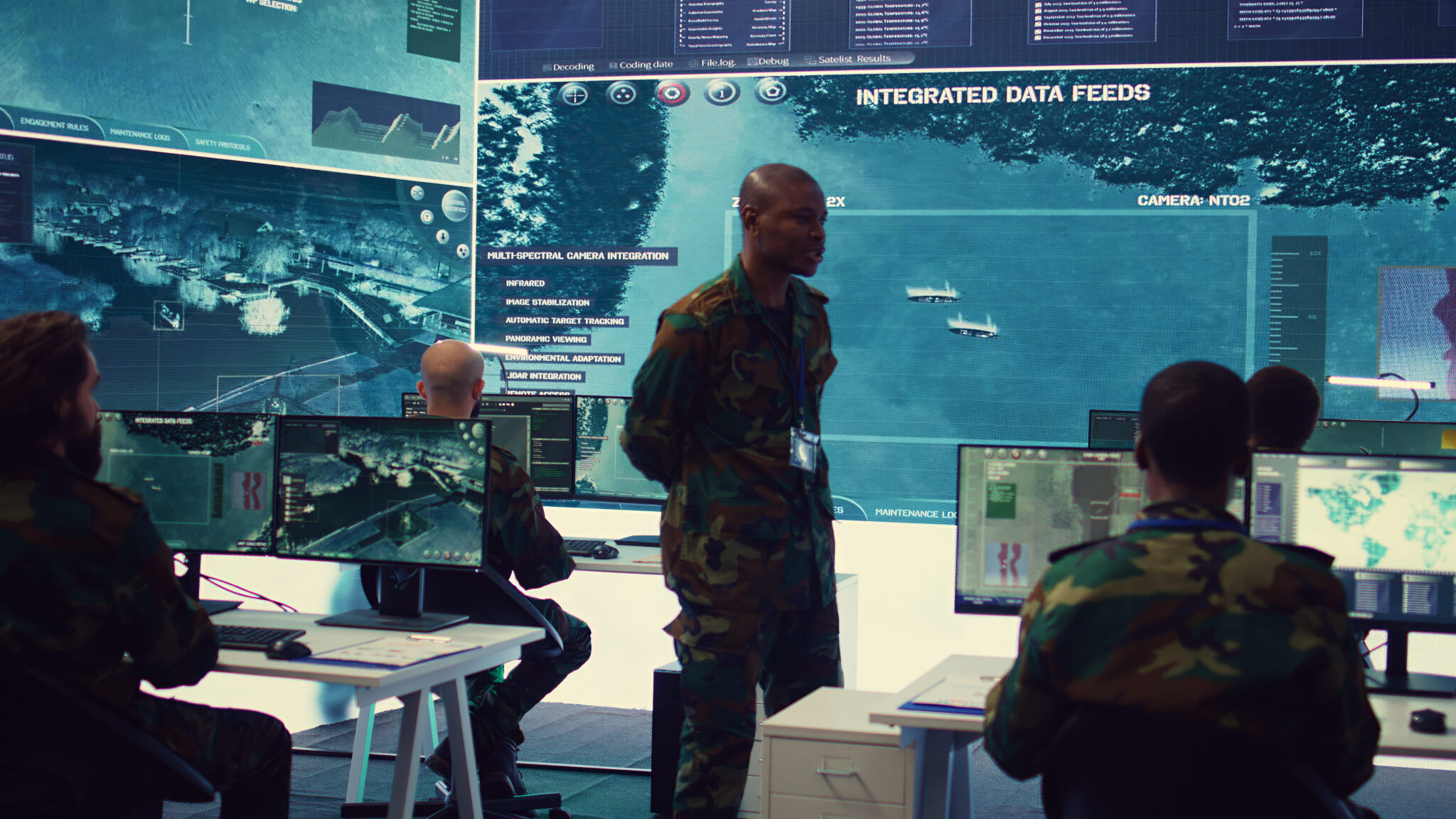
Tanks, infantry, and missiles were used to fight conflicts in the past. There is another battlefield today that most people can’t see. It’s the world of computers. Countries are increasingly attacking each other not only on land, at sea, and in the air, but also through computer networks, servers, and data systems. Cyber warfare is the name for this quiet fight.
Cyber warfare is become one of the most powerful weapons in current geopolitical confrontations. A cyberattack that is well-planned can bring down a whole country’s infrastructure without firing a single shot. In just a few minutes, power grids can fall down, banks can cease working, transit systems can halt, and government websites can go offline.
The Growth of the Digital Battlefield
Countries have become very dependent on digital infrastructure during the past 20 years. Technology is used by the government, hospitals, transit systems, banks, and communication networks. This digital shift has made the world faster and more connected, but it has also made things more dangerous.
Attackers can now try to break into networks from thousands of miles away instead of sending troops across borders. With the right tools and abilities, they may steal private data, mess with systems, or just make things go wrong.
This update has affected how disagreements happen. Cyber operations can happen without anyone knowing about them, and it’s not always evident who is to blame. That makes cyber warfare a strong but difficult strategy for countries all around the world.
How Cyber Warfare Really Works
- Cyber warfare is usually slow and carefully planned, often taking months or years to execute.
- Attackers first search for vulnerabilities such as outdated servers, software bugs, or weak passwords.
- After gaining access, they move quietly through the network, collecting data and identifying critical systems.
- Some cyber attacks aim to steal sensitive information, while others try to disrupt or disable services.
- Distributed Denial of Service (DDoS) attacks overwhelm websites or networks with massive traffic until they crash.
- Cyber warfare can also involve data breaches, infrastructure attacks (power grids, water systems, transport), and long-term espionage to gather secret information.
These attacks can happen all the time, and most people don’t know about them.
Why Countries Put Money on Cyber Capabilities
Cyber capabilities give countries that are fighting for power around the world a number of benefits.
First, cyber operations are cheaper than regular military operations. It costs a lot of money to build missiles or send troops, but cyber tools can be created with much less money.
Second, cyber warfare lets governments work in secret. It is often hard to show who started an attack, and this lack of certainty gives countries the ability to deny their involvement.
Third, cyberattacks can have a big and immediate effect. If someone successfully attacks a financial system or a communication network, it can affect millions of individuals at once.
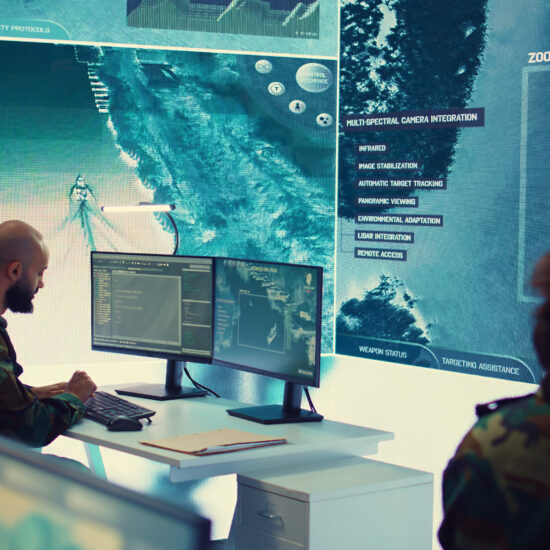
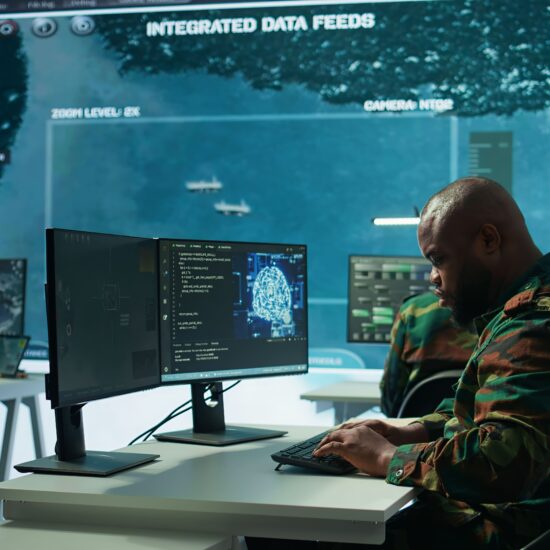
Because of these advantages, many countries have created special cyber teams within their military or intelligence agencies. These teams constantly monitor global networks, search for vulnerabilities, and develop strategies for both defense and attack.
Cyber Conflict in the Real World
Over the last decade, several major cyber incidents have demonstrated the power of digital attacks.
- Government agencies have faced major data breaches exposing confidential information.
- Critical infrastructure systems have been targeted and temporarily shut down by cyberattacks.
- Banks and financial institutions have faced coordinated cyberattacks to disrupt markets.
- These incidents show that modern conflicts now include cyber operations.
- Even without a physical battlefield, cyber activities may still occur behind the scenes.
The Impact of Cyber Warfare on People
Cyber warfare may sound like a highly technical issue, but its consequences affect real people.
When hospitals lose access to digital systems, patient care may be delayed. When banks face cyber disruptions, individuals may suddenly lose access to their money. When transportation networks fail, entire cities can come to a standstill.
Behind every server or network is a person who depends on it functioning properly.
For this reason, cybersecurity is no longer only a concern for governments or large corporations. It has become a part of everyday life. From online banking to smart homes, secure and reliable technology is essential to the functioning of the digital world.
What This Means for Companies and Organizations
- Cyber threats now involve nation-state actors, not just criminal groups.
- Organizations that depend on digital infrastructure must prioritize cybersecurity.
- Security requires regular system updates and continuous network monitoring.
- Companies should train employees and maintain clear incident response plans.
Businesses that invest in strong cybersecurity practices protect not only their own operations but also contribute to a safer digital environment for everyone.
Cyber Warfare in the Future
As technology continues to advance, cyber warfare will likely become even more important. The expansion of cloud computing, connected devices, and digital services has significantly increased the global attack surface.
Future cyber campaigns may aim to influence national economies, disrupt communication networks, or weaken public trust in institutions.
However, technology can also help strengthen defense. International cooperation, strong cybersecurity policies, and constant vigilance can reduce the risks associated with cyber conflict.
A New Reality in the Age of Technology
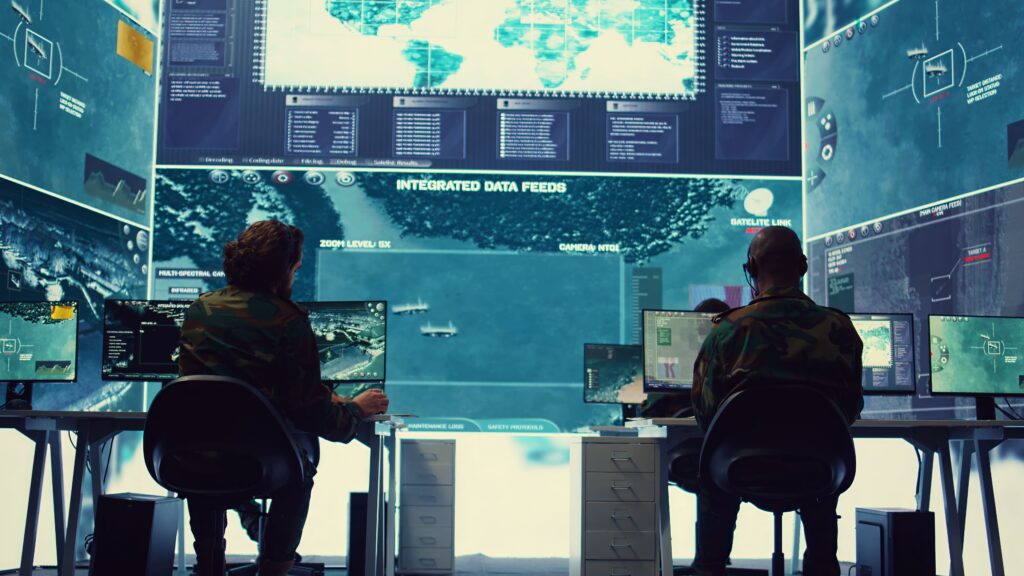
- Modern warfare is not limited to physical borders; it also occurs in digital networks and internet infrastructure.
- Cyber conflicts can happen silently within computer systems and data centers.
- Governments, businesses, and individuals must understand the growing impact of cyber warfare.
- Protecting digital infrastructure is now as important as defending physical territory.
Even though the digital battlefield cannot be seen, its consequences are very real.
Ideas that inform and inspire.
Book a free 30-minute strategy consultation with our experts.
